
Few household problems are as frustrating as discovering your furnace not turning on during a cold day. Whether you wake up to a chilly home or notice your heating system has stopped working unexpectedly, a furnace that won’t start can quickly become a major inconvenience. Fortunately, not every furnace problem requires an expensive repair. In many cases, the issue is caused by something simple, such as incorrect thermostat settings, a tripped circuit breaker, or a dirty air filter.
Understanding how your heating system works and knowing where to begin troubleshooting can save you time, money, and unnecessary stress. While some furnace issues require the expertise of a licensed HVAC technician, many can be identified—and sometimes fixed—by homeowners with a few basic checks.
What Does It Mean When a Furnace Is Not Turning On?
When people say their furnace is not turning on, they usually mean the heating system fails to start after the thermostat calls for heat. Depending on the underlying cause, the furnace may remain completely inactive, attempt to start and shut down immediately, or run without producing warm air.
Common symptoms include:
- The thermostat is set correctly, but no heat is produced.
- The furnace makes clicking sounds but never starts.
- The blower fan doesn’t run.
- The furnace starts briefly and shuts off.
- No indicator lights appear on the control panel.
- Cold air comes from the vents instead of warm air.
How a Furnace Not Turning On Works
Before troubleshooting, it helps to understand the basic heating process. Although gas and electric furnaces differ slightly, they follow a similar sequence.
Thermostat Detects a Temperature Drop
The heating cycle begins when the indoor temperature falls below the thermostat setting. The thermostat sends a signal requesting heat.
Power Is Supplied to the Furnace
The control board checks that electrical power is available and verifies that all built-in safety switches are functioning correctly.
Ignition or Heating Elements Activate
For a gas furnace, the igniter lights the burners after confirming the gas supply is safe. For an electric furnace, heating elements begin warming as electricity flows through them.
Blower Motor Circulates Warm Air
Once sufficient heat is generated, the blower motor pushes warm air through the ductwork and into every room of the house.
Safety Systems Monitor Operation
Modern furnaces constantly monitor temperature, airflow, gas pressure, flame quality, and ventilation. If any unsafe condition is detected, the furnace automatically shuts down to prevent damage or hazards.
Signs Your Furnace Not Turning On Is Failing to Start
Your furnace often provides warning signs before it stops working completely. Recognizing these symptoms early can prevent larger repairs later.
No Response from the Furnace
If nothing happens after raising the thermostat temperature, the system may not be receiving power or the thermostat may not be communicating with the furnace.
Cold Air Instead of Heat
The blower may operate normally, but only cool air comes through the vents. This usually indicates an ignition, burner, or heating element problem.
Frequent Clicking Sounds
Clicking often means the ignition system is attempting to start repeatedly but cannot complete the heating cycle.
Short Cycling
A furnace that starts for only a few minutes before shutting off may have overheating issues, restricted airflow, or faulty sensors.
Unusual Noises
Grinding, squealing, rattling, or buzzing sounds often point to mechanical wear involving the blower motor, bearings, or other moving parts.
Flashing Error Lights
Most modern furnaces include LED diagnostic lights. Flashing patterns indicate specific faults that help technicians identify problems quickly.
Rising Energy Bills
If your furnace struggles to operate efficiently before failing completely, you may notice unusually high heating costs despite maintaining the same thermostat settings.
Most Common Reasons a Furnace Not Turning On
Several issues commonly prevent a furnace from starting. Fortunately, many of these are simple to inspect.
Incorrect Thermostat Settings
One of the easiest problems to overlook is an incorrect thermostat setting. Verify that:
- The thermostat is set to Heat
- The desired temperature is higher than the current room temperature
- The fan is set to Auto instead of On
Dead Thermostat Batteries
Battery-powered thermostats can stop communicating with the furnace when the batteries become weak. Replacing them is an inexpensive fix that often restores normal operation.
Tripped Circuit Breaker
Your furnace requires electrical power even if it burns natural gas or propane. A tripped breaker immediately cuts power to the unit. Check your home’s electrical panel and reset the breaker once. If it trips repeatedly, contact an electrician or HVAC technician instead of continually resetting it.
Power Switch Turned Off
Many homeowners mistake the furnace power switch for a regular light switch. If it’s accidentally turned off during cleaning or maintenance, the furnace won’t receive power. Always verify this switch is in the ON position before investigating more complicated issues.
Dirty Air Filter
A clogged air filter restricts airflow and causes the furnace to overheat. To protect itself, the system may refuse to start or shut down shortly after ignition. Experts recommend checking the filter every month during heavy heating seasons and replacing it every one to three months, depending on usage and filter type.
Furnace Door Safety Switch
Modern furnaces include a safety switch behind the removable access panel. If the door isn’t securely attached after changing the filter or performing maintenance, the switch remains open and prevents the furnace from operating.
Blown Furnace Fuse
Some furnaces contain internal fuses that protect electronic components from power surges. A blown fuse interrupts power to the control board, leaving the furnace completely unresponsive.
Remaining Causes of a Furnace Not Turning On
While simple issues like thermostat settings or dirty filters account for many heating problems, several other components can also prevent your furnace from starting. Understanding these potential causes will help you troubleshoot more effectively.
Pilot Light Is Out
If you own an older gas furnace with a standing pilot light, the flame may have gone out due to a draft or temporary gas interruption. Without a pilot flame, the burners cannot ignite.
Always follow the manufacturer’s instructions when relighting a pilot light. If it won’t stay lit, the thermocouple or gas valve may be faulty and should be inspected by an HVAC professional.
Faulty Electronic Ignition System
Most modern furnaces use electronic ignition instead of a pilot light. Over time, the igniter can wear out or crack, preventing the burners from lighting.
Common signs include:
- Clicking without ignition
- Furnace attempts several starts
- Cold air from vents
- Error codes indicating ignition failure
Gas Supply Problems
A gas furnace cannot produce heat if fuel isn’t reaching the burners.
Possible causes include:
- Closed gas shut-off valve
- Utility gas interruption
- Faulty gas valve
- Low gas pressure
Condensate Drain Switch Activated
High-efficiency furnaces produce condensation during operation. If the drain line becomes clogged, a safety switch may stop the furnace to prevent water damage. Cleaning the condensate drain often restores normal operation.
Dirty Flame Sensor
The flame sensor verifies that the burners are operating safely. Over time, dirt and oxidation can coat the sensor, causing it to falsely detect no flame.
Symptoms include:
- Furnace starts briefly
- Burners shut off after a few seconds
- Repeated restart attempts
Faulty Limit Switch
The limit switch monitors furnace temperature. If it detects overheating, it shuts down the burners. A defective limit switch may incorrectly stop the furnace even when temperatures are normal.
Control Board Failure
The control board is essentially the furnace’s computer. It coordinates ignition, blower operation, and safety systems.
When it fails, the furnace may:
- Not respond at all
- Display unusual error codes
- Continuously restart
- Fail to ignite
Blower Motor Problems
A worn blower motor may prevent proper airflow, causing the furnace to overheat or refuse to start.
Warning signs include:
- Loud squealing noises
- Weak airflow
- Burning smells
- Blower fails to operate
Step-by-Step Troubleshooting Guide
If your furnace not turning on, follow these steps in order before calling for service.
Step 1: Check the Thermostat
- Set the thermostat to Heat
- Increase the temperature by 5°F above room temperature
- Replace batteries if needed
- Ensure programmable schedules aren’t overriding settings
Step 2: Verify Electrical Power
Check:
- Furnace power switch
- Circuit breaker
- Electrical disconnect switch
- Furnace indicator lights
Step 3: Inspect the Air Filter
A dirty filter is among the most common heating issues.
If the filter appears dusty or clogged:
- Turn off power
- Replace with the correct size
- Restart the furnace
Step 4: Confirm Gas Supply
For gas furnaces:
- Ensure the gas valve is open
- Verify other gas appliances are working
- Check for utility outages
Step 5: Check the Furnace Door
Remove and reinstall the access panel securely. The safety switch must be fully engaged before the furnace will operate.
Step 6: Look for Error Codes
Modern furnaces include blinking LED lights.
Consult your owner’s manual to identify:
- Pressure switch faults
- Ignition failures
- Flame sensor errors
- Limit switch problems
Step 7: Reset the Furnace
Some furnaces have a reset button. Turn power off for approximately one minute before restarting. Avoid repeatedly resetting the furnace, as this may worsen existing problems.
Different Furnace Scenarios
Different symptoms often point to different problems. Possible causes include:
- Tripped breaker
- Control board reset needed
- Blown fuse
- Thermostat reboot required
Furnace Not Turning On but Thermostat Works
Likely causes:
- Igniter failure
- Blown fuse
- Faulty control board
- Safety switch activation
Furnace Not Turning On but Blower Runs
This usually indicates:
- Dirty flame sensor
- Ignition failure
- Gas valve issue
- Heating element failure
Furnace Not Turning On and No Lights
Check:
- Main electrical supply
- Circuit breaker
- Furnace switch
- Internal fuse
Furnace Clicks but Won’t Start
Possible reasons include:
- Bad igniter
- Gas supply interruption
- Pressure switch failure
- Control board malfunction
Professional Furnace Not Turning On Troubleshooting Comparison
| Problem | Possible Cause | DIY Fix | Professional Repair Needed? |
| No power | Tripped breaker | ✔ Yes | If breaker keeps tripping |
| Thermostat not responding | Dead batteries/settings | ✔ Yes | Rarely |
| Dirty air filter | Restricted airflow | ✔ Yes | No |
| Pilot light out | Gas interruption | Limited | Often |
| Igniter failure | Worn igniter | No | ✔ Yes |
| Flame sensor dirty | Sensor contamination | ✔ Yes | If cleaning fails |
| Gas valve issue | No fuel supply | No | ✔ Yes |
| Blower motor failure | Motor worn out | No | ✔ Yes |
| Control board failure | Electrical malfunction | No | ✔ Yes |
Safe DIY Fixes Homeowners Can Try
Replace Thermostat Batteries: Weak thermostat batteries can interrupt communication between the thermostat and the furnace. Replacing them is a quick and inexpensive fix that may restore normal heating.
Install a Clean Air Filter: A clogged air filter restricts airflow and can cause the furnace to overheat or shut down. Installing a clean filter improves efficiency, protects internal components, and helps maintain proper airflow.
Reset the Circuit Breaker: Check your home’s electrical panel to see if the furnace breaker has tripped. Reset it only once, and if it trips again, stop using the furnace and contact a qualified HVAC technician.
Clean Around the Furnace: Dust, dirt, and stored items around the furnace can restrict airflow and create potential safety hazards. Keep the area clean and maintain at least two to three feet of clear space around the unit.
Clean the Flame Sensor
If you’re comfortable performing basic maintenance, turn off the furnace power before removing the flame sensor. Gently clean the sensor with fine steel wool or a soft abrasive pad, reinstall it securely, and restart the furnace to see if the problem is resolved.
Check All Air Vents
Blocked supply or return vents reduce airflow throughout your home and may cause the furnace to overheat. Make sure furniture, rugs, and curtains are not covering any vents.
Verify Furnace Door Installation
After replacing the air filter or performing maintenance, ensure the furnace access panel is securely attached. The built-in safety switch must be fully engaged before the furnace can operate properly.
Read more: Download Cyroket2585 Safely – Official Sources & Step-by-Step Install Guide
When to Call an HVAC Professional
While many furnace issues can be resolved with basic troubleshooting, some problems require specialized tools, technical knowledge, and safety precautions. Continuing to operate or repair a malfunctioning furnace without proper experience can lead to more expensive damage—or even create serious safety risks. Here are situations where you should stop troubleshooting and contact a licensed HVAC technician.
The Furnace Still Won’t Start
If you’ve checked the thermostat, power supply, air filter, furnace door, and circuit breaker but your furnace not turning on, the problem may involve internal components such as:
- Control board failure
- Faulty igniter
- Gas valve malfunction
- Pressure switch failure
- Blower motor issues
You Smell Natural Gas
A gas smell should never be ignored.
If you notice the odor of natural gas:
- Leave the home immediately.
- Do not turn electrical switches on or off.
- Avoid using phones inside the house.
- Contact your gas utility or emergency services from a safe location.
The Furnace Keeps Shutting Off
Frequent shutdowns, also called short cycling, often indicate:
- Overheating
- Restricted airflow
- Faulty flame sensor
- Improper gas pressure
- Limit switch failure
Strange Noises Continue
Grinding, screeching, rattling, or loud banging noises usually point to worn mechanical parts that should be repaired before they fail completely.
Error Codes Keep Appearing
Modern furnaces display diagnostic codes when something goes wrong. If the same code returns after resetting the system, professional inspection is recommended.
Prevention & Maintenance
Routine maintenance is the best way to reduce the chances of a furnace not turning on unexpectedly during the winter. Dirty filters reduce airflow and force your furnace to work harder.
General replacement schedule:
- Every 1 month for homes with pets
- Every 2–3 months for most households
- More frequently during heavy heating seasons
Schedule Annual Furnace Maintenance
Professional maintenance before winter helps identify worn components before they fail.
Typical inspections include:
- Cleaning burners
- Inspecting the heat exchanger
- Testing safety controls
- Checking ignition systems
- Lubricating moving parts
- Measuring airflow
Keep Air Vents Open
Blocked vents reduce airflow and may cause overheating.
Avoid placing:
- Furniture
- Curtains
- Storage boxes
- Rugs
Test Your Thermostat Before Winter
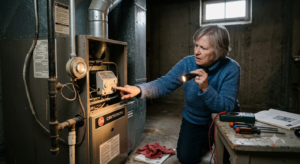
Turn on your heating system before temperatures drop significantly. Early testing allows time for repairs before peak heating season. Leave at least two to three feet of clearance around your furnace.
Avoid storing:
- Paint
- Cleaning chemicals
- Cardboard boxes
- Flammable materials
Monitor Unusual Changes
Pay attention to:
- Increased heating bills
- Longer heating cycles
- New noises
- Uneven room temperatures
Common Mistakes Homeowners Make
Avoiding these common errors can prevent unnecessary repairs.
- Ignoring Routine Maintenance: Skipping filter changes and annual inspections often leads to preventable breakdowns.
- Replacing Parts Without Diagnosis: Many homeowners replace thermostats or igniters without confirming they’re actually defective.
- Repeatedly Resetting the Furnace: Constantly pressing the reset button may temporarily restart the furnace but can damage components if a serious fault exists.
- Blocking Return Air Vents: Return vents are just as important as supply vents. Blocking them restricts airflow throughout the entire heating system.
- Using the Wrong Air Filter: An overly restrictive filter can reduce airflow enough to trigger safety shutdowns. Always use the filter size and MERV rating recommended by your furnace manufacturer.
Ignoring Warning Signs
Small issues often become major repairs when ignored.
Early warning signs include:
- Strange odors
- Clicking sounds
- Delayed ignition
- Weak airflow
- Short cycling
Expert Tips for Reliable Furnace Performance
Professionals recommend these habits to extend furnace life and improve efficiency. Smart thermostats reduce unnecessary heating while maintaining comfortable indoor temperatures.
Seal Air Leaks
Improving insulation around:
- Windows
- Doors
- Attics
Replace Aging Furnaces
Most furnaces last between 15 and 20 years with proper maintenance.
If repair costs continue rising, replacing an aging system may provide better efficiency and lower long-term expenses.
Final Verdict
Experiencing a furnace not turning on can be stressful, especially during cold weather, but it doesn’t always mean your heating system needs an expensive repair. Many common problems—including thermostat issues, dirty air filters, tripped circuit breakers, and improperly installed furnace doors—can often be resolved with simple troubleshooting.
Following a step-by-step approach helps identify the source of the problem safely and efficiently. However, issues involving gas leaks, electrical components, ignition systems, or control boards should always be handled by a qualified HVAC professional.
FAQs About Furnace Not Turning On
Q1: Why is my furnace not turning on even though the thermostat is working?
Ans: If the thermostat appears to function normally, the problem may involve the circuit breaker, igniter, flame sensor, gas supply, blower motor, or control board. Checking these components systematically can help identify the cause.
Q2: Can a dirty air filter stop a furnace from turning on?
Ans: Yes. A severely clogged air filter can restrict airflow, cause overheating, and activate safety switches that prevent the furnace from operating until the filter is replaced.
Q3: How do I safely reset my furnace?
Ans: Turn the furnace off using the power switch or circuit breaker, wait about one minute, then restore power. If the furnace still doesn’t start or repeatedly shuts down, avoid multiple resets and contact an HVAC technician.
Q4: Why is my furnace not turning on after a power outage?
Ans: A power outage may trip the circuit breaker, blow an internal fuse, reset the control board, or affect the thermostat settings. Check each of these before requesting professional service.
Q5: How often should I replace my furnace filter?
Ans: Most homeowners should replace the filter every one to three months, depending on filter type, household conditions, and whether pets are present.
Q6: Is it safe to troubleshoot a gas furnace myself?
Ans: Basic tasks such as replacing filters, checking thermostat settings, and inspecting breakers are generally safe. However, gas leaks, electrical repairs, and internal component replacements should always be handled by qualified professionals.
Q7: How much does it cost to repair a furnace that won’t start?
Ans: Repair costs vary depending on the problem. Minor fixes such as thermostat or flame sensor cleaning are relatively inexpensive, while replacing control boards, blower motors, or gas valves can cost significantly more.